
5 Authentic Experiences to Live in Tuscany with a Local Guide
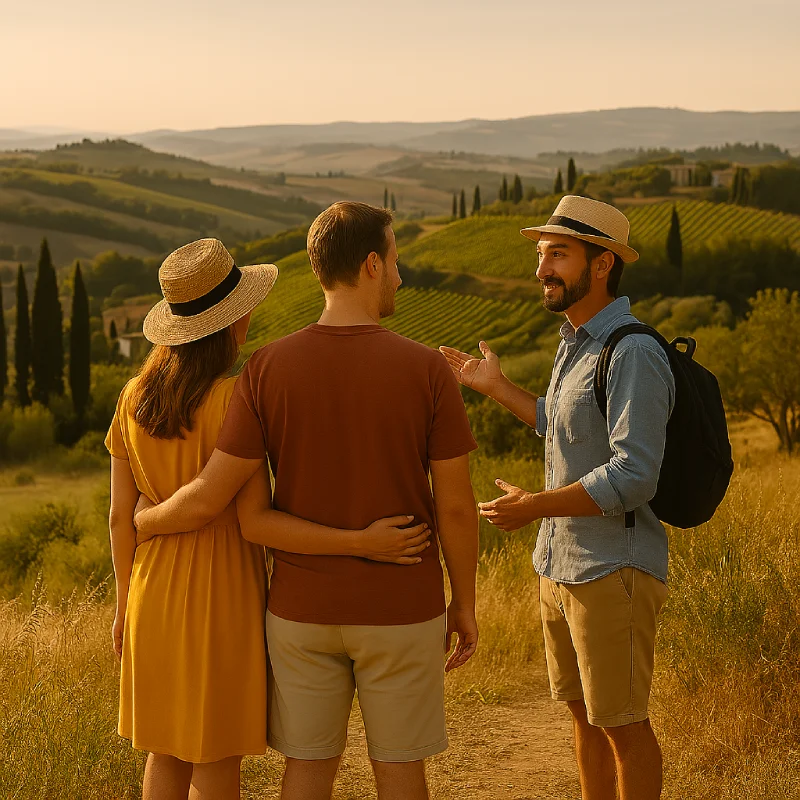
Tuscany isn’t just a postcard—it’s a region to be lived deeply, step by step, through its landscapes, flavors, stories, and people. And to truly experience this land, a local guide makes all the difference. A guide knows the hidden places, the untold stories, the authentic traditions, and the secrets that no book will tell you. In this in-depth article, we’ll take you on a journey of 5 authentic experiences to live in Tuscany, each enhanced by the insight and warmth of a local expert. 1. Walk Through the Vineyards and Taste Wine with a Local Sommelier Where: Chianti Classico, Val d’Orcia, Montalcino You can’t say Tuscany without mentioning wine. But a truly authentic wine experience isn’t just a quick stop at a tourist winery. With a local sommelier or winemaker, you’ll go on a sensory journey among the vines. What the experience includes: Why it’s special: 2. Private Sunset Tour of Florence: Stories, Secrets, and Local Gems Where: Florence, historic center and Oltrarno district Florence is the heart of the Renaissance, but behind every church and palace are tales of rivalry, eccentric characters, and living traditions. A local guide helps you avoid crowds and dive deep into the city’s hidden soul. What’s included: Why it’s unique: 3. Cook with a Tuscan Grandma in the Countryside Where: Chianti area, Casentino, Maremma, or Garfagnana One of the most intimate and memorable experiences in Tuscany is through its traditional cuisine. And who better to teach you than a Tuscan grandmother? What you’ll experience: Why it’s unforgettable: 4. Explore Abandoned Villages and Medieval Legends Where: Volterra, Lunigiana, Monte Amiata, Crete Senesi Tuscany isn’t just about villas and museums: there are ghost towns, ruins, and whispered legends that only locals know. With a passionate guide, you’ll discover places where history meets myth. What you can explore: Why this experience is deep: 5. A Day with a Shepherd: Sheep, Cheese, and Rolling Hills Where: Val d’Orcia, Casentino, inland Maremma In Tuscany, there are still shepherds who live by ancient rhythms, following the seasons and crafting artisanal cheese. With a local guide, you can organize a full day in the fields. How it works: Why it’s unique: Live the Real Tuscany with Tuscany Private Tours With Tuscany Private Tours, the private driving and custom tour service by Maurizio Bellini, you can live all these experiences tailored just for you, supported by those who truly know Tuscany. With us, you can: Book now at tuscanyprivatetours.net and discover the real Tuscany—off the beaten path, authentic, and unforgettable.
Art and Craftsmanship in Tuscany: A Journey Through Artisan Workshops and Studios
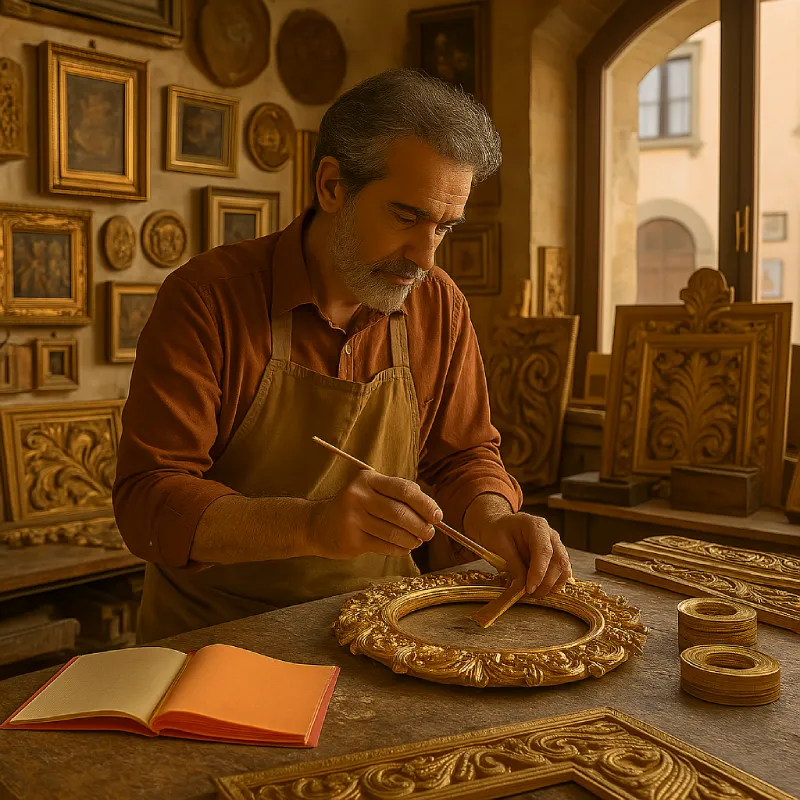
Tuscany is one of Italy’s richest regions in history, culture, and artisanal mastery. For centuries, its cities and villages have preserved a tradition where craftsmanship intertwines with fine art, turning everyday objects into expressions of beauty and skill. In this 2,500+ word article, we’ll take you on a fascinating journey through historic workshops, contemporary studios, local artists, and experiential itineraries across the region. This is the perfect guide for discovering Tuscany’s most authentic and creative soul. Florence: The Heart of Renaissance Craftsmanship Florence is the ideal starting point for any journey into Tuscan craftsmanship. As the cradle of the Renaissance, the city nurtured generations of artisans who worked side by side with legends such as Donatello, Michelangelo, and Brunelleschi. Oltrarno: Art and Authenticity The Oltrarno district, just across the Arno River, remains Florence’s beating heart of craftsmanship. Don’t miss: Historic Workshops: Experiences: Arezzo: Goldsmithing and Tradition Arezzo is renowned throughout Europe for its goldsmithing tradition, which dates back to the Etruscans and evolved over centuries into refined craftsmanship and innovative design. Where to Go: Events: Prato: The Textile Capital Prato is synonymous with textiles. The city is one of Europe’s leading textile districts, with a rich history in wool, silk, and regenerated fabrics. What to See: Experiences: Pisa and the Ceramics of Montelupo While Pisa is known for its Leaning Tower, nearby Montelupo Fiorentino holds a treasure of ceramic traditions. What to Visit: Experiences: Siena: The Art of Wood Carving In the medieval heart of Siena, the art of wood carving flourishes as one of Tuscany’s most refined crafts. Where to Go: Experiences: Pienza and San Quirico d’Orcia: Craft in the Hills In the postcard-perfect Val d’Orcia, you’ll find small villages where crafts and landscape blend into poetry. In Pienza: In San Quirico: Lucca: Paper and Decorative Arts Lucca is known for its elegance and historic walls, but also for handcrafted paper and refined artistic design. Highlights: Contemporary Craft: Between Design and Sustainability Tuscany isn’t just tradition. Today it’s a hub for modern artisans who reinvent ancient techniques with a contemporary twist. Where to Find It: Who’s Leading: How to Live a Craft and Art Tour in Tuscany Practical Tips: Best Times to Go: Getting Around: Discover Tuscan Craftsmanship with Tuscany Private Tours If you want to discover the true heart of creative Tuscany, Tuscany Private Tours is the ideal companion. With the private driver and customized tour service by Maurizio Bellini, you can: Book now at tuscanyprivatetours.net and explore a Tuscany made by hand, rich in tradition, creativity, and inspiration.
Medici’s Tuscany: A Journey Through History, Villas, and Gardens
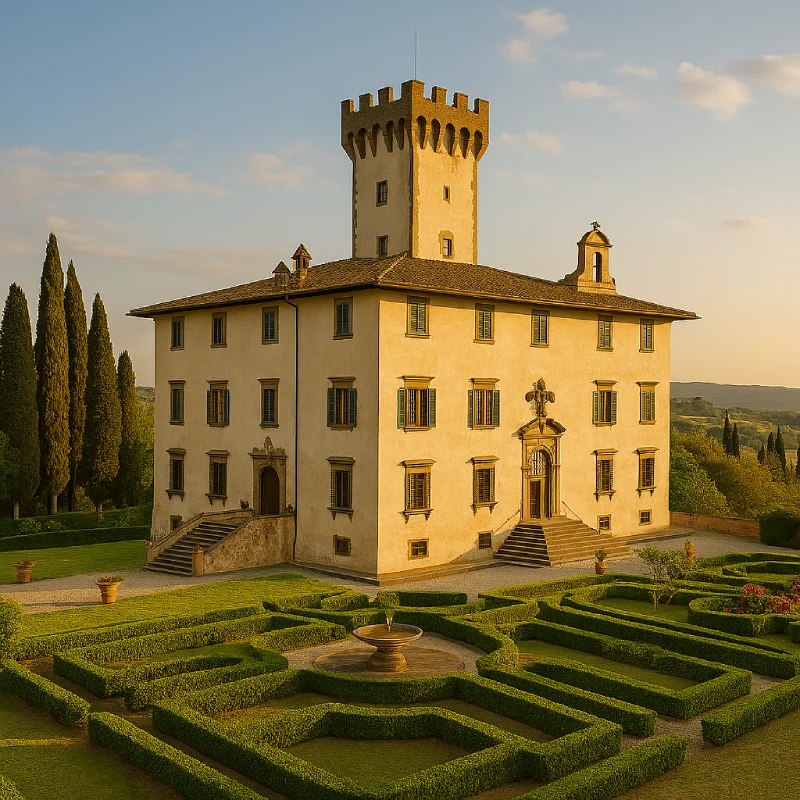
Tuscany is not just a land of rolling hills, art, and fine food—it’s also the birthplace of the European Renaissance. At the heart of this cultural explosion is the Medici family: bankers, patrons, popes, and grand dukes. Their legacy shaped the region through a network of villas and gardens that remain stunning examples of harmony between nature, architecture, and power. This article is a journey through the Medici’s Tuscany, where you’ll explore grand estates, symbolic gardens, and the places where history was written. The Origins of the Medici Villas: Power, Culture, and the Land The earliest Medici villas, built between the 14th and 15th centuries, were primarily agricultural and defensive in function. Among the oldest are: As Cosimo the Elder and later Lorenzo the Magnificent rose to prominence, these properties became cultural centers and retreats. The Villa of Careggi hosted the Platonic Academy, gathering great thinkers like Marsilio Ficino and Pico della Mirandola. These villas symbolized not only the Medici’s wealth, but their intellectual and artistic influence, offering a perfect balance between leisure, culture, and politics. Architectural Evolution and the Birth of the Italian Garden In the 16th century, with Cosimo I de’ Medici’s reign, villas took on a new, more representational and aesthetic purpose. Architectural masterpieces emerged: These villas were no longer just residences—they were instruments of statecraft and visual expressions of Medici ideals. Gardens became political spaces, symbolizing order, beauty, and dominion over nature. Iconic Medici Gardens The UNESCO Medici Villas and Gardens In 2013, UNESCO recognized 12 Medici villas and 2 gardens as World Heritage Sites. They represent “an outstanding example of how Renaissance architecture and landscape design reflect social and political aspirations.” Highlights of the Medici Heritage: 1. Villa di Poggio a Caiano A true Renaissance gem with frescoes by Pontormo and a balanced, airy design. It was later used by the Lorraines and the Savoy family. 2. Villa La Petraia Overlooking Florence, this villa features a glass-covered courtyard and stunning frescoes. 3. Villa di Castello A prototype for formal Italian gardens, combining art, science, and Medici ideology. 4. Villa di Cerreto Guidi A former hunting lodge, now home to the Museum of Hunting and Territory. 5. Villa La Magia (Quarrata) A lesser-known but captivating villa, now used for cultural events. 6. Villa Medici in Fiesole One of the first villas created purely for leisure, with breathtaking views and refined architecture. 7. Villa di Artimino (La Ferdinanda) Nicknamed the “Villa of the Hundred Chimneys,” built for Ferdinando I de’ Medici. Gardens, Mythology, and Political Symbolism Medici gardens were not merely decorative. Each statue, grotto, and fountain carried mythological and political symbolism: These landscapes created a visual narrative of power, where walking through a garden was like reading a book about Medici greatness. How to Explore the Medici Villas Today Many of the Medici villas and gardens are now open to the public, often hosting exhibitions, cultural events, and guided tours. Itinerary Tips: Must-see Experiences: Discover Medici’s Tuscany with Tuscany Private Tours If you want to explore Medici heritage in Tuscany in depth, comfortably, and with expert insight, a private tour is the best way to do it. With Tuscany Private Tours, the private driver and guided tour service by Maurizio Bellini, you can: Book now at tuscanyprivatetours.net and dive into a world of power, art, and nature in Medici Tuscany.
Tuscany Family Tour: What to See with Kids
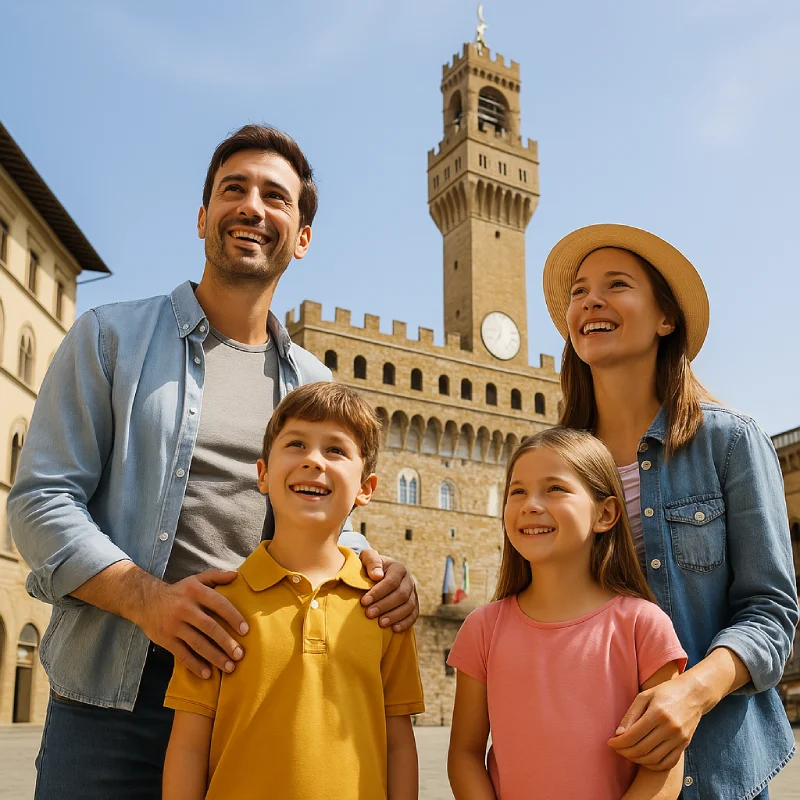
Tuscany is one of the most charming regions of Italy—not just for adults, but also for families traveling with children. With its fairy-tale villages, gentle hills, family-friendly cities, and nature to explore, it’s the perfect destination for an unforgettable trip with little ones. In this article, we present a complete itinerary full of ideas for a Tuscany family tour, including what to see, where to eat, how to relax, and how to keep the kids happy along the way. Florence with Kids: Art, Discovery, and Play Florence is often seen as an art city for grown-ups, but with the right stops, it becomes a magical place for children too. What to do: Where to eat: Tip: Book a horse-drawn carriage ride in Piazza della Signoria or organize a treasure hunt around the statues. Pinocchio Park and Collodi: A Fairytale Adventure A must-see for kids! Collodi is the village linked to the famous tale of Pinocchio and home to a unique park. What to do: Where to eat: Perfect for: a full-day adventure in the world of fantasy, nature, and play. Pisa and the Leaning Tower: Learning While Exploring Pisa is ideal for a discovery-filled day for the whole family. What to see: Family activities: Pistoia Zoo and Villa Celle Park A day in nature full of learning and fun. Perfect for: combining animal discovery with outdoor relaxation. Seaside Fun for Families: Maremma Coast Tuscany’s coast is beautiful, safe, and often overlooked by tourists. Best spots for families: What to do: Hills and Countryside: Farm Stays, Animals, and Hands-On Learning Many families choose the Tuscan countryside for nature-based holidays. Top experiences: Recommended areas: Medieval Villages Like a Storybook Tuscany’s ancient villages look like they’re taken straight from a fairytale—charming and inspiring for kids. Don’t miss: Practical Tips for Family Travel in Tuscany Discover Tuscany as a Family with Tuscany Private Tours Traveling with children can be exciting but also challenging. That’s why having a local expert makes a difference. With Tuscany Private Tours, the private driver and guided tour service by Maurizio Bellini, you can: Book your family adventure now at tuscanyprivatetours.net and explore the best of Tuscany—together!
The Best Traditional Dishes in Tuscany (Off the Tourist Path)
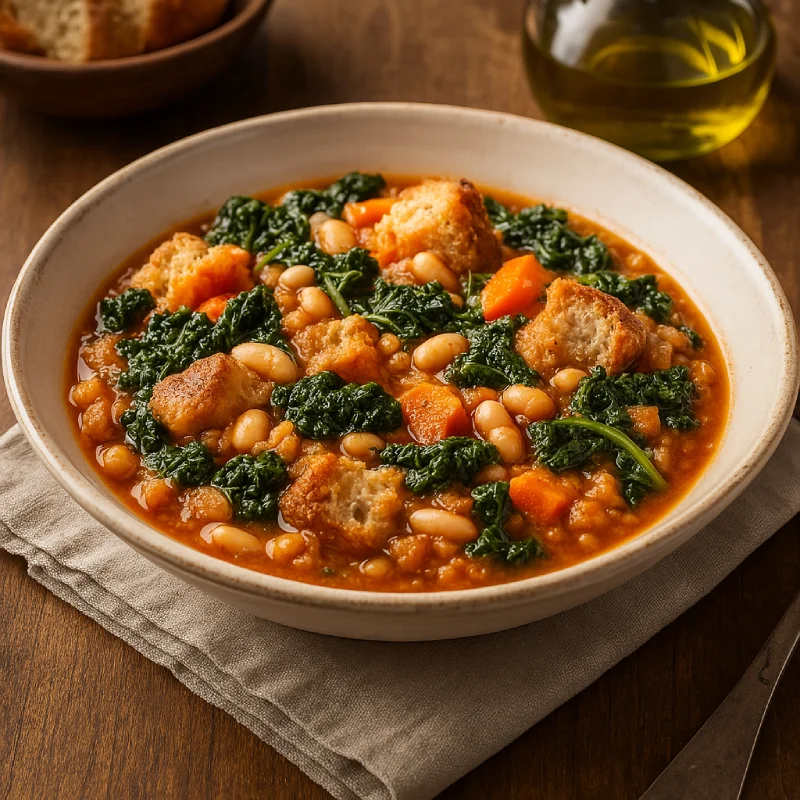
Tuscan cuisine is famous worldwide for its simplicity, authenticity, and deep connection to the land. But beyond the famous bistecca alla fiorentina and pappardelle al cinghiale lies a world of hidden flavors—recipes passed down through generations and kept alive in tiny villages, local trattorias, and seasonal food festivals. In this article, we’ll explore the best traditional Tuscan dishes that rarely appear on tourist menus but reflect the region’s true soul. Rustic Appetizers and Countryside Flavors Crostini neri (liver or spleen paté) A staple on Tuscan tables, often overlooked by tourists. Made with toasted stale Tuscan bread topped with a warm paté of chicken liver or spleen, onion, capers, and anchovies. Where to find them: Local taverns in the Arezzo area or during village festivals. Lardo di Colonnata IGP Cured in marble basins with herbs and spices. It melts on the tongue when served on warm bread or focaccia. Typical of: Colonnata, in the Apuan Alps. Fettunta Simple but delicious: toasted Tuscan bread rubbed with garlic and drizzled with new extra virgin olive oil. Traditionally served in autumn, right after the olive harvest. Lesser-Known but Irresistible First Courses Pici all’aglione Thick, hand-rolled pasta similar to spaghetti, served with a sauce made from giant garlic (aglione), tomatoes, and olive oil. A rustic, aromatic dish. Where to try it: Around Montepulciano, Chiusi, and Pienza. Testaroli from Lunigiana An ancient dish between bread and pasta, cooked on cast-iron plates, cut into diamonds, and dressed with pesto, oil, or local cheese. Unique to: Lunigiana, on the Ligurian border. Zuppa di pane (true winter ribollita) Different from the tourist version! In its true form, vegetables dominate—especially cavolo nero—and it’s often “re-boiled” two or three times. Pro tip: Try it in countryside inns in November or January. Acquacotta from Maremma A humble soup made with water, bread, onion, tomato, and a poached egg. Originated with the shepherds of southern Tuscany. Main Courses that Tell Local Stories Trippa alla fiorentina Slow-cooked tripe with tomato, celery, and carrot. Served with grated Parmigiano and bread. Best enjoyed in: Neighborhood markets like San Frediano or Sant’Ambrogio in Florence. Lampredotto The king of Florentine street food. Try it not only as a sandwich, but in its original form: stewed with green sauce and spicy salsa. Buglione di agnello A hearty lamb stew with red wine, herbs, and spices. Traditional in the Casentino area. Often found: During local religious festivals or in village trattorias. Wild boar stew with olives An ancient recipe with a long marinade, slow cooking in red wine, herbs, and black olives. Rich and wild flavors. Where to try it: Maremma or the Mugello hills. Side Dishes and Hearty “Poor” Cuisine Fagioli all’uccelletto White cannellini beans slowly cooked with tomato and sage. Sometimes served with sausage. Fried or stewed cardoons Typical of Arezzo and Siena: either stewed in tomato or fried after boiling. Stewed cavolo nero Simple and nutritious: sautéed with garlic, olive oil, chili pepper, and white wine. Traditional Homemade Desserts Castagnaccio A rustic cake made with chestnut flour, raisins, pine nuts, rosemary, and olive oil. No sugar added—earthy and bold in flavor. Schiacciata con l’uva Typical of the Florentine autumn: made with bread dough and wine grapes. Juicy, fragrant, and slightly sweet. Real Cantucci (with Vin Santo) Handmade cantucci are very different from store-bought ones: less hard, irregular in shape, made with whole almonds. Best with: A small-producer Vin Santo. Where to Find Truly Traditional Tuscan Food Experience Authentic Tuscany with Tuscany Private Tours To truly discover Tuscany’s hidden flavors, having a local guide makes all the difference. With Tuscany Private Tours, the private driver and local guide service led by Maurizio Bellini, you can: Book your gastronomic adventure at tuscanyprivatetours.net and enjoy a journey through authentic flavors and stories.
From Florence to Chianti: A Scenic Journey through Hills and Vineyards
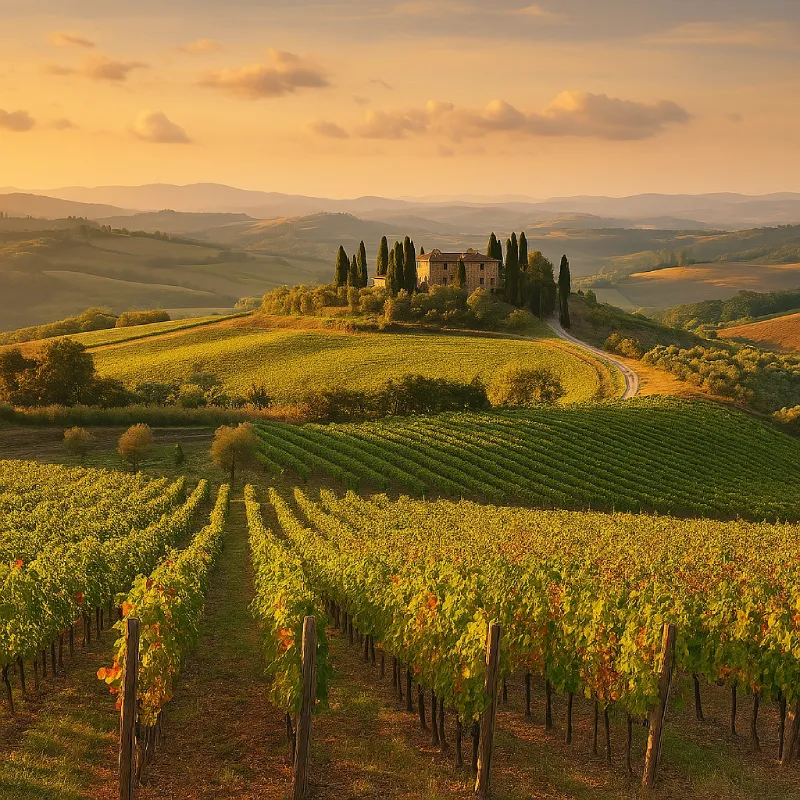
A trip from Florence to Chianti is more than a geographical transfer—it’s a complete sensory experience. Along the way, you’ll encounter iconic landscapes of rolling hills, orderly vineyards, stone villages, and cypress-lined roads. This article presents a scenic itinerary of over 2500 words, ideal for anyone looking to explore the authentic essence of Tuscany, step by step and glass by glass. Florence: The Starting Point of Art and History Before heading into the countryside, Florence deserves a slow and thoughtful visit. Dedicate half a day to immerse yourself in the heart of the Renaissance. Recommended stops: Tip: End the morning with a coffee and a view at the Oblate Library terrace. Leaving Florence: The SR222, One of Italy’s Most Beautiful Roads Heading south from Florence, you’ll enter the famous SR222 Chiantigiana Road, considered one of the most beautiful drives in Italy thanks to its breathtaking scenery. Length: about 70 km from Florence to Siena, but even just to Greve or Castellina is stunning.Ideal for: car, motorcycle, e-bike, or NCC (private driver) for a relaxed ride. Panoramic spots: First Stop: Greve in Chianti, the Wine Capital What to see: Nearby wineries: Fun fact: Greve is the birthplace of explorer Giovanni da Verrazzano. Montefioralle: A Gem Among the VinesJust minutes from Greve, this medieval village is a concentration of Tuscan charm. What to do: Tip: Visit in late afternoon to enjoy golden sunset light. Panzano in Chianti: Culinary Art and Nature Famous for: Dario Cecchini, Italy’s most renowned butcher-poet. Don’t miss: Bonus: Panoramic views of Chianti Classico vineyards. Radda in Chianti: Medieval Walls and Elegant Wines What to see: Suggested wineries: Did you know? Radda was once the historical capital of the Chianti League. Castellina in Chianti: Etruscans, Towers, and Wine Shops What to do: Tip: Ideal spot for a light lunch and wine-related shopping. Gaiole in Chianti and the Castle of Brolio Must-visit: The Castle of Brolio, estate of the Ricasoli Barons, with historic gardens and jaw-dropping views. In Gaiole: For cyclists: Gaiole is the starting point of the famous L’Eroica vintage bike race. Alternative and Romantic Itineraries Photography Trail Romantic Trail Slow Travel Trail When to Go and What to Bring Best time: April to October, with peak beauty in May–June and September–October. Don’t forget: Discover Chianti with Tuscany Private Tours To enjoy this journey to the fullest, rely on someone who knows every turn of the Chiantigiana Road. With Tuscany Private Tours, the private driver and expert guide service led by Maurizio Bellini, you can: Book now at tuscanyprivatetours.net and enjoy a panoramic journey from Florence to Chianti that you’ll never forget.
Tuscany Wine Tour: The Most Authentic Wineries to Visit
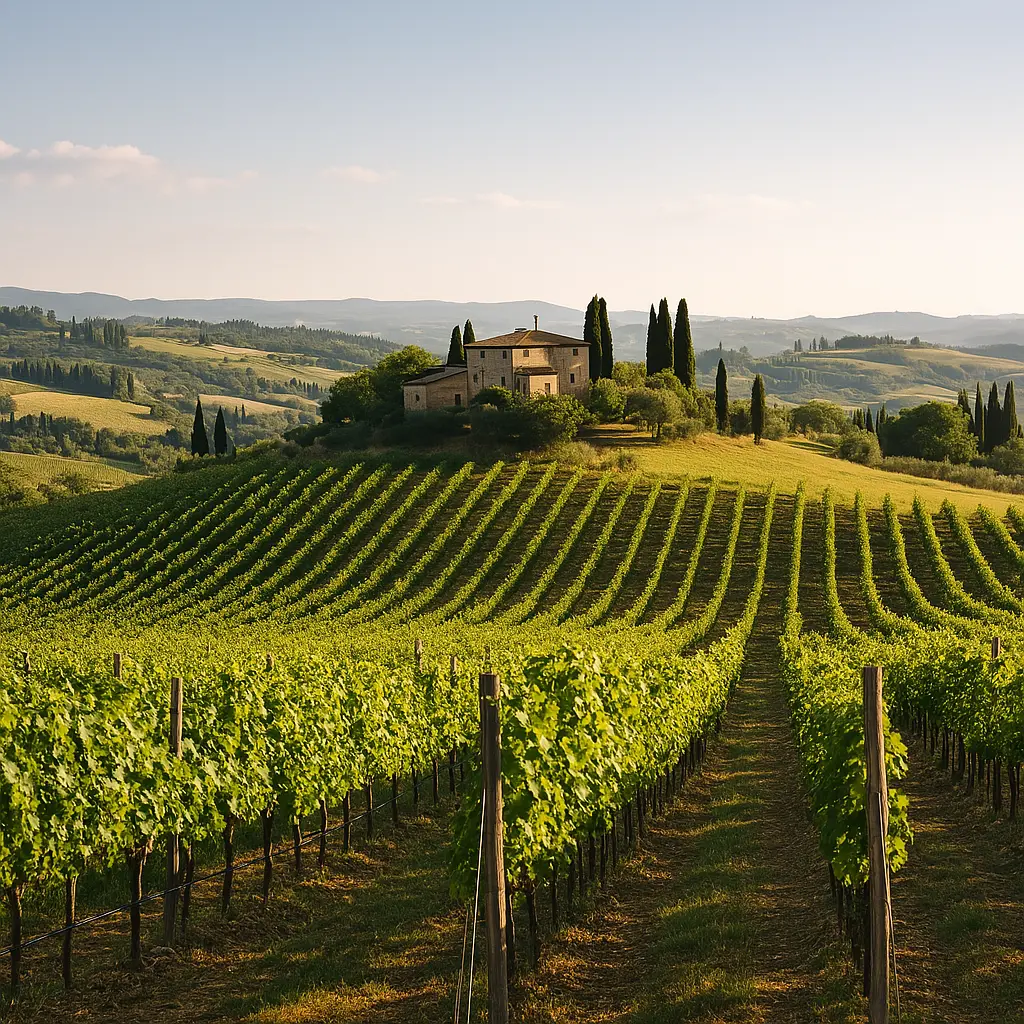
Tuscany is a land of golden hills, medieval villages, cypress-lined roads, and spectacular sunsets. But above all, it is one of the most prestigious wine regions in the world. In this article, we take you on a Tuscany wine tour through its most authentic wineries—places where winemaking is still a craft, where local producers passionately preserve traditions, and where each tasting becomes a story. You’ll find much more than wine: breathtaking landscapes, centuries-old estates, and practical tips for planning an unforgettable wine experience. The Main Wine Regions in Tuscany 1. Chianti Classico The beating heart of Tuscan wine production. Between Florence and Siena lies the Chianti Classico region, a DOCG area marked by the Black Rooster (Gallo Nero) symbol. Key wines: Chianti Classico DOCG, Riserva, Gran SelezioneMain grape: Sangiovese Authentic wineries to visit: Tip: Visit in spring or September to see the vineyards in full bloom. 2. Montalcino South of Siena, Montalcino is the land of Brunello di Montalcino, one of Italy’s most iconic and age-worthy wines. Grape: Sangiovese Grosso (locally known as Brunello) Authentic wineries to visit: Recommended experience: vertical tastings and cellar tours. 3. Montepulciano Home of the Vino Nobile di Montepulciano, made from Prugnolo Gentile, a local clone of Sangiovese. Must-visit wineries: Extra: many wineries offer cooking classes and vineyard lunches. 4. Bolgheri & the Tuscan Coast Home of the Super Tuscans, bold wines that broke tradition and earned global fame. Main grapes: Cabernet Sauvignon, Merlot, Syrah Iconic and authentic wineries: Unique scenery: a blend of sea, vineyards, and the famous cypress-lined Viale dei Cipressi. 5. Carmignano & the Prato Hills One of Italy’s oldest wine designations, favored by the Medici family. Grapes: Sangiovese, Cabernet, Canaiolo Authentic wineries: Ideal for: combining wine with art and off-the-beaten-path locations. 6. San Gimignano Known for its medieval towers—and its white wine, Vernaccia di San Gimignano, a rare Tuscan DOCG white. Authentic wineries to try: Best pairing: Vernaccia with fish or vegetable-based Tuscan dishes. Tips for Planning a Tuscany Wine Tour 1. Hire a private driver or guide (NCC) To fully enjoy tastings without worrying about driving, rely on a professional driver. It’s safer, more relaxed, and more flexible. 2. Always book in advance Authentic wineries often require reservations, especially during peak season. 3. Be curious The stories behind the bottles make the experience. Ask questions, take your time, and savor every sip. 4. Go beyond the tasting Many wineries offer extras like vineyard picnics, cooking classes, dinners among the vines, and harvest tours. 5. Best times to go Enjoy Your Wine Tour with Tuscany Private Tours Want to experience the best of Tuscan wine without the hassle? With Tuscany Private Tours, the personalized guide and private driver service led by Maurizio Bellini, you can: Plan your wine adventure at tuscanyprivatetours.net and raise a glass to the most authentic Tuscany.
What to Do in Tuscany in a Weekend: A Complete Itinerary

Only have a weekend to discover Tuscany? No problem! In this article, you’ll find a complete 3-day itinerary designed to immerse you in the region’s beauty: art, nature, delicious food, historic villages, and unforgettable views. From the Renaissance charm of Florence to the rolling hills of Chianti and the medieval poetry of Siena, this route takes you to the heart of authentic Tuscany. At the end, you’ll discover the best way to enjoy it all stress-free with a tailor-made private tour. Day 1: Florence – Art, History, and Hidden Views Morning Recommended lunch: Trattoria Cammillo or I’Brindellone for authentic Florentine cuisine. Afternoon Evening Day 2: Chianti – Medieval Villages, Vineyards, and Castles Morning Tip: If you have a driver or private NCC, you can enjoy the wines stress-free. Lunch in a farmhouse with views over the hills. Afternoon Evening Day 3: Siena and the Val d’Orcia – History and Postcard Landscapes Morning Typical lunch: Enjoy pici cacio e pepe or ribollita at restaurants like Osteria Le Logge. Afternoon Evening Practical Tips for a Perfect Weekend in Tuscany Experience Tuscany in a Weekend with Tuscany Private Tours With limited time, every moment counts. That’s why having a knowledgeable local guide makes all the difference. With Tuscany Private Tours, the private driver and guided tour service by Maurizio Bellini, you can: Visit tuscanyprivatetours.net and plan your weekend in Tuscany like a true insider
Secret Florence: Hidden Places That Will Surprise You

Florence is world-famous for its Cathedral, the Uffizi Gallery, and Ponte Vecchio. But beyond the major landmarks and popular tourist paths lies an intimate, mysterious Florence that reveals itself only to the curious. In this article, we’ll guide you through hidden corners, secret gardens, and fascinating stories—even many Florentines don’t know. At the end, you’ll discover the best way to explore all of this with an exclusive private tour. 10 Hidden Places to Discover in Florence 1. The Sprone Fountain In the heart of the Oltrarno, at the corner of Via dello Sprone and Borgo San Jacopo, this small Baroque fountain, created by Bernardo Buontalenti in 1608, is often overlooked. Its grotesque mask embedded in the wall speaks of a whimsical, allegorical Florence. Why visit: It’s the perfect starting point to explore the Oltrarno district, rich in artisan workshops and authentic charm. 2. The Oblate Library Just a few steps from the Cathedral, this public library is located in a former convent. It has a terrace with a direct view of Brunelleschi’s dome. Tip: Grab a coffee at the internal café and enjoy the view—one of the most beautiful and least crowded panoramas of Florence. Also ideal for remote working with inspiration. 3. The Rose Garden Below Piazzale Michelangelo, this lesser-known garden is home to over 400 varieties of roses and sculptures by Jean-Michel Folon. Best time to go: May, during peak bloom. Entrance is free and the sunset is spectacular. Ideal for picnics and photography. 4. The Pharmacy of Santa Maria Novella Founded in 1221 by Dominican friars, it is one of the oldest pharmacies in Europe. Perfumes, essences, and historic rooms take you back to the Renaissance. Curiosity: Each room is decorated like a museum, yet it is still a functioning shop. You can buy natural products made with ancient recipes. 5. The Zecca Tower Located near the Arno River, it is one of the last remains of Florence’s ancient fortifications. Few know about it, but it can be visited during special openings. Tip: Check the cultural events calendar for access. It’s often included in themed medieval tours of the city. 6. The Fresco at the English Cemetery In Piazzale Donatello lies a small, quiet monumental cemetery with romantic tombs and a stunning allegorical fresco hidden in the chapel. Perfect for: history lovers and literary tourism enthusiasts (Elizabeth Barrett Browning is buried here). A quiet and contemplative place. 7. The Vasari Corridor (when accessible) Connecting Palazzo Vecchio to Palazzo Pitti, passing over Ponte Vecchio, the Vasari Corridor is usually closed to the public, but when open, it offers a unique experience. Pro tip: If available, book well in advance—spots are limited. It offers an exclusive perspective of the city. 8. The Poggi Ramps Recently restored, this system of stairways and fountains leads to Piazzale Michelangelo. Designed by Giuseppe Poggi in the 19th century, it’s little known but incredibly scenic. Tip: Walk them at sunset for a truly magical experience. 9. The Horne Museum A hidden gem in central Florence, the Horne Museum is housed in a Renaissance palace and preserves a precious collection of art, furniture, and period objects. Why go: Ideal for those wanting to dive into Renaissance domestic taste, far from the crowds. 10. The Cloister of the Scalzo A silent and charming place decorated with splendid monochrome frescoes by Andrea del Sarto. Located near Piazza San Marco, it often goes unnoticed. Curiosity: Free entrance and a sublime example of early 16th-century Florentine art. Florence Beyond the Guides: Practical Tips to Discover It Differently Discover Hidden Florence with Tuscany Private Tours To truly know Florence, you must dive into its details, listen to the whispers of stories hidden in lesser-known alleys and squares. With Tuscany Private Tours, the tour guide and private driver service by Maurizio Bellini, you can: Learn more at tuscanyprivatetours.net and start your journey into the unexpected side of Florence.
The 10 Most Beautiful Villages in Tuscany You Must Visit at Least Once

Tuscany is one of Italy’s most enchanting regions, world-renowned for its rolling hills, artistic heritage, and culinary excellence. But beyond Florence, Pisa, and Siena, the region hides dozens of medieval villages that seem frozen in time. This article is a complete guide to the 10 most beautiful villages in Tuscany, packed with practical advice on what to see, what to pack, and how to make the most of your visit. At the end, discover how to visit them comfortably with a private tour. The 10 Best Villages of Tuscany 1. Anghiari A fortified village in the Valtiberina, famous for the Battle of Anghiari, immortalized by Leonardo da Vinci. What to see: Tips: 2. Barga Hidden among the hills of the Garfagnana, Barga is known for its jazz festival and stunning views of the Serchio valley. What to see: Tips: 3. Buonconvento A small gem in the heart of the Crete Senesi, with a perfectly preserved historic center. What to see: Tips: 4. Campiglia Marittima A hilltop village with sea views, perfect for those who love both culture and nature. What to see: Tips: 5. Capalbio “The Little Athens” of the Maremma, famous for the Tarot Garden and its artistic vibe. What to see: Tips: 6. Castiglione della Pescaia A seaside village with a charming old town and vibrant summer life. What to see: Tips: 7. Montepulciano A Renaissance town known for its Vino Nobile and underground wine cellars. What to see: Tips: 8. Pitigliano Known as “Little Jerusalem”, carved into tuff rock and rich in Jewish heritage. What to see: Tips: 9. San Gimignano A UNESCO World Heritage Site, famous for its medieval towers. What to see: Tips: 10. Volterra An ancient Etruscan city famous for alabaster craftsmanship and Roman ruins. What to see: Tips: When is the Best Time to Visit Tuscan Villages? The best time to visit Tuscany’s villages is spring (April to June) and early autumn (September to October). During these months, the weather is pleasant, the light is ideal for photography, and local festivals are plentiful. Summer can be hot and crowded, while winter offers unique atmospheres but requires better planning. What to Pack for a Village Tour? Here’s a checklist to make the most of every stop: Visit Tuscany’s Villages with Tuscany Private Tours Exploring Tuscany’s most beautiful villages becomes unforgettable when guided by a local expert and traveling with a dedicated private driver. With Tuscany Private Tours, the brand led by Maurizio Bellini, you’ll enjoy: Discover more at tuscanyprivatetours.net and start planning your journey through the most enchanting villages of Tuscany.