
The Best Wine Regions in Tuscany
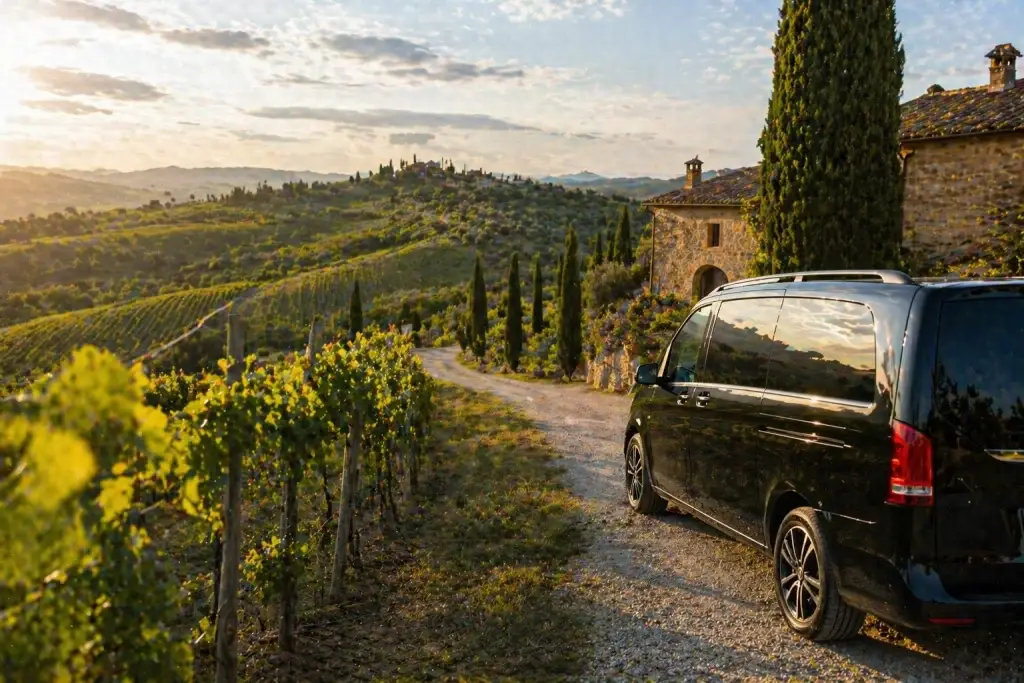
Tuscany is one of the most famous wine regions in the world, but choosing where to go is not always easy. There are many wine areas, and each offers different experiences in terms of wine quality, landscapes, and distance from Florence. If you are planning a trip and want to visit wineries without wasting time, this guide will help you understand which areas are best and how to visit them in a practical way. Chianti: The Most Accessible Area from Florence Chianti is the easiest choice if you are starting from Florence. Features: Ideal for: Main limitation: wineries are not connected by public transport. Montalcino: Brunello and Prestigious Wineries Montalcino is famous for Brunello, one of the most prestigious wines in the world. Features: Ideal for: Limitation: longer distance from Florence (about 2 hours). Montepulciano: Wine and Historic Towns Montepulciano combines wine with architecture. Features: Ideal for: San Gimignano: White Wine and Iconic Views This area is known for Vernaccia, a famous white wine. Features: Which Area Should You Choose? It depends on three main factors: Time Available Type of Experience Logistics The Real Challenge: Moving Between Wineries Many travelers underestimate this aspect. Wineries: This makes it difficult to visit multiple areas in one day. How to Visit Multiple Areas Without Stress Your options are: Public Transport Car Rental Private Driver Practical Example A Day in Chianti A Day in Val d’Orcia The difference lies in how well time is managed. Mistakes to Avoid Conclusion Tuscany’s wine regions offer very different experiences. The right choice depends on how much time you have and how you want to organize your trip. Planning transportation properly is essential to visit multiple wineries without stress and fully enjoy the experience. Want to Visit Multiple Wine Regions Without Wasting Time? Discover how to plan an itinerary between wineries and villages while optimizing your travel time: https://tuscanyprivatetours.net/it/autista-privato-a-firenze-per-tour-guidati-in-toscana/#contact
Wine Tasting in Tuscany: Organized Tour or Private Experience?
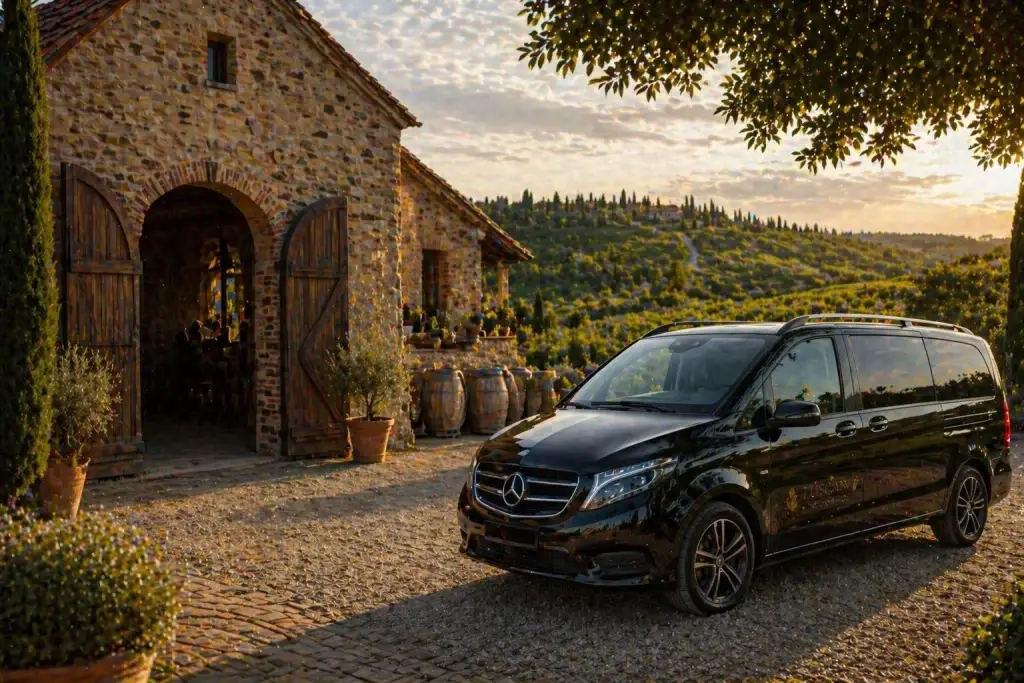
Planning a wine tasting in Tuscany is one of the most popular experiences for visitors to the region. But when it comes time to book, a common question arises: is it better to choose a group tour or a private experience? The difference is not just about price, but about how you experience the day. In this guide, you’ll find a clear comparison to help you choose the best option for your trip. What Does a Wine Tasting in Tuscany Include? A wine tasting is not just about drinking wine. It often includes: How you experience this depends greatly on how your day is organized. Group Tours: How They Work Group tours are one of the most common options. Advantages Disadvantages They are a good option if you are looking for something quick and simple. Private Experience: What Really Changes A private experience is completely different. It’s not just about transportation, but about a customized day. Advantages Disadvantages The Real Difference: How You Experience the Day The main difference is not technical, but experiential. Group Tour Private Experience This completely changes the quality of your trip. Practical Example Group Tour Private Experience When to Choose a Group Tour When to Choose a Private Experience The Role of Transportation (Often Overlooked) One of the most important aspects is how you move between wineries. Distances are not always short, and: For this reason, many private experiences include a driver service. How Much Does It Cost? Group Tour €50 – €120 per person Private Experience €300 – €600 per day (vehicle) When shared among multiple people, the difference becomes less significant. Conclusion Choosing between a group tour and a private experience depends on what you are looking for. If you want something simple and budget-friendly, a group tour may be enough.If you want to experience Tuscany in a more authentic and relaxed way, a private experience offers greater flexibility and quality. Want to Plan a Custom Wine Experience? Discover how to create a personalized wine tour in Tuscany without stress and with perfectly managed timing: https://tuscanyprivatetours.net/it/autista-privato-a-firenze-per-tour-guidati-in-toscana/#contact
How to Visit Tuscany from Florence Without Wasting Time
If you are staying in Florence and want to explore Tuscany, you have probably already noticed one thing: distances may seem short, but organizing your trip is not as simple as it looks. Villages, wineries, rolling hills, and historic cities are spread across the region, and without proper planning, you risk spending more time traveling than actually enjoying your trip. In this guide, you’ll find a practical way to visit Tuscany from Florence, avoid common mistakes, and make the most of every day. The Closest Destinations from Florence Florence is the perfect starting point for exploring Tuscany. The most popular destinations include: The challenge is not where to go, but how to organize transportation between these locations. The Most Common Mistake: Underestimating Travel Time Many itineraries you find online look perfect, but don’t work well in reality. Typical mistakes include: The result: How to Properly Plan a Day Trip An effective itinerary from Florence should include: Example: A day in Chianti: This type of structure allows you to enjoy each stop without rushing. The Transportation Challenge This is where most travelers struggle. Public Transport Car Rental How to Avoid Wasting Time To truly optimize your trip, it’s important to: Many travelers realize that the biggest challenge is not what to see, but how to move between destinations. The Most Practical Solution for Full Itineraries When you want to visit multiple places in one day, transportation becomes essential. A private driver allows you to: This is especially useful for: How Much the Experience Really Changes The difference between an improvised itinerary and a well-organized one is clear: In a short trip (2–3 days), this makes a significant difference. Frequently Asked Questions Is it possible to visit Tuscany from Florence without a car?Yes, but with some limitations. How many stops can you visit in one day?It’s best not to exceed 2–3. Which area is the easiest to visit?Chianti is the most accessible from Florence. Is it better to stay outside Florence?It depends on your itinerary, but Florence remains a great base. Conclusion Visiting Tuscany from Florence is absolutely possible, but it requires careful planning. Managing transportation effectively is what truly makes the difference between a chaotic trip and a smooth, enjoyable experience.tamenti è ciò che fa davvero la differenza tra un viaggio caotico e un’esperienza fluida e piacevole.
What to See in Tuscany in 3 Days: The Perfect Itinerary from Florence
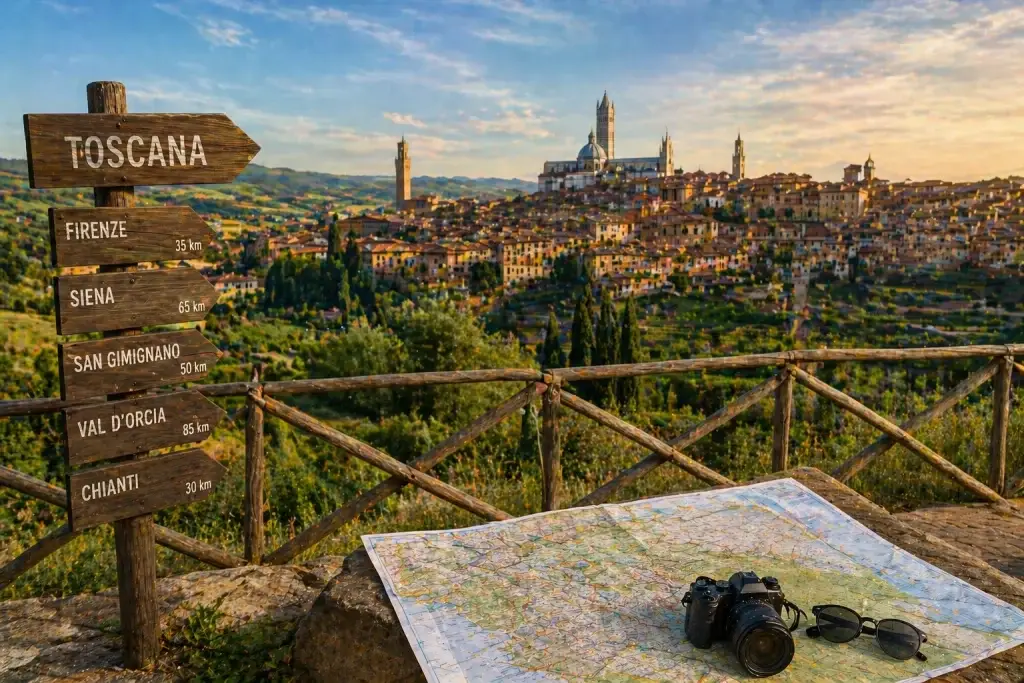
Organizzare un viaggio in Toscana di 3 giorni può sembrare semplice, ma la realtà è diversa: le distanze, i tempi di spostamento e la quantità di luoghi da vedere rendono difficile creare un itinerario davvero efficace. Se parti da Firenze e vuoi visitare le zone più iconiche senza perdere tempo, questo itinerario ti guida passo dopo passo, con un percorso ottimizzato e facilmente realizzabile. Giorno 1: Firenze e Chianti Il primo giorno è perfetto per combinare la visita della città con un’escursione nelle colline del Chianti. Mattina: Firenze Dedica la mattina ai principali punti di interesse: Muoversi a piedi è la soluzione migliore, soprattutto nel centro storico. Pomeriggio: Chianti Nel pomeriggio puoi spostarti verso il Chianti, una delle zone vinicole più famose al mondo. Tappe consigliate: Il problema principale qui è il trasporto: le cantine non sono collegate dai mezzi pubblici. Giorno 2: Siena e San Gimignano Il secondo giorno è dedicato a due delle città più iconiche della Toscana. Siena Da non perdere: San Gimignano Famosa per le sue torri medievali, è perfetta per una visita nel pomeriggio. Consiglio:organizza la giornata in modo da evitare spostamenti inutili, perché le due città non sono collegate in modo diretto e veloce. Giorno 3: Val d’Orcia Il terzo giorno è dedicato ai paesaggi più iconici della Toscana. Tappe principali: Qui trovi: Anche in questo caso, gli spostamenti richiedono una pianificazione precisa. Il vero problema: gli spostamenti Questo itinerario è perfetto sulla carta, ma nella pratica molti viaggiatori incontrano difficoltà: Il risultato spesso è: Come ottimizzare davvero l’itinerario Per rendere questo itinerario efficace, è fondamentale gestire bene gli spostamenti. Le opzioni sono: Trasporti pubblici Adatti solo per collegamenti tra città principali, ma poco pratici per itinerari completi. Noleggio auto Offre libertà, ma richiede esperienza di guida e gestione totale del viaggio. Autista privato Permette di: Esempio di itinerario ottimizzato Con una gestione efficiente degli spostamenti, puoi: Questo cambia completamente la qualità del viaggio. Quanto tempo serve davvero per spostarsi Uno degli errori più comuni è sottovalutare le distanze. Esempi: Questi tempi aumentano con traffico e soste. Conclusione Visitare la Toscana in 3 giorni è possibile, ma richiede organizzazione e attenzione agli spostamenti. Un itinerario ben pianificato permette di vedere le zone più iconiche senza stress, ottimizzando il tempo e rendendo il viaggio molto più piacevole.
Private Driver Florence Prices: How Much Does It Really Cost in Tuscany?

Hiring a private driver in Florence is becoming an increasingly popular choice for travelers visiting Tuscany. However, one of the most common questions is: how much does it actually cost? The answer depends on several factors, and understanding them helps you choose the right option and plan your trip without surprises. What Is an NCC Service? NCC (Noleggio con Conducente) is a private driver service with a professional chauffeur. Unlike taxis, it offers: It is commonly used for transfers, day tours, and wine experiences across Tuscany. How Much Does a Private Driver in Florence Cost? Prices vary depending on the type of service and duration. Average price ranges: These are general estimates and can change based on the itinerary. What Influences the Price Several elements affect the final cost: Distance and destinations Traveling to nearby areas like Chianti costs less than longer trips to Val d’Orcia. Duration The more hours you book, the higher the total cost. Number of stops More stops require more time and planning. Type of vehicle Luxury cars or larger vans for groups can increase the price. Is a Private Driver Expensive? At first glance, it may seem more expensive than other options, but it offers clear advantages. Compared to renting a car: Compared to group tours: When shared between 2–4 people, the cost becomes more balanced. When It Makes Sense to Book a Private Driver A private driver is especially useful if: How to Plan Your Budget To estimate your costs, consider: Transportation is a key part of your experience in Tuscany, especially in rural areas. Tips Before Booking A clear plan helps avoid unexpected costs. Conclusion Private driver services in Florence are not just about transportation, but about saving time and improving your overall travel experience. Understanding pricing helps you choose the best solution based on your needs and travel style. Book Your Private Driver in Tuscany Planning to explore Tuscany comfortably and without stress? Request your private driver service here:https://tuscanyprivatetours.net/it/autista-privato-a-firenze-per-tour-guidati-in-toscana/#contact and create your personalized itinerary between Florence, Chianti, Siena, and beyond.
Wine Tasting in Tuscany: How to Visit Wineries
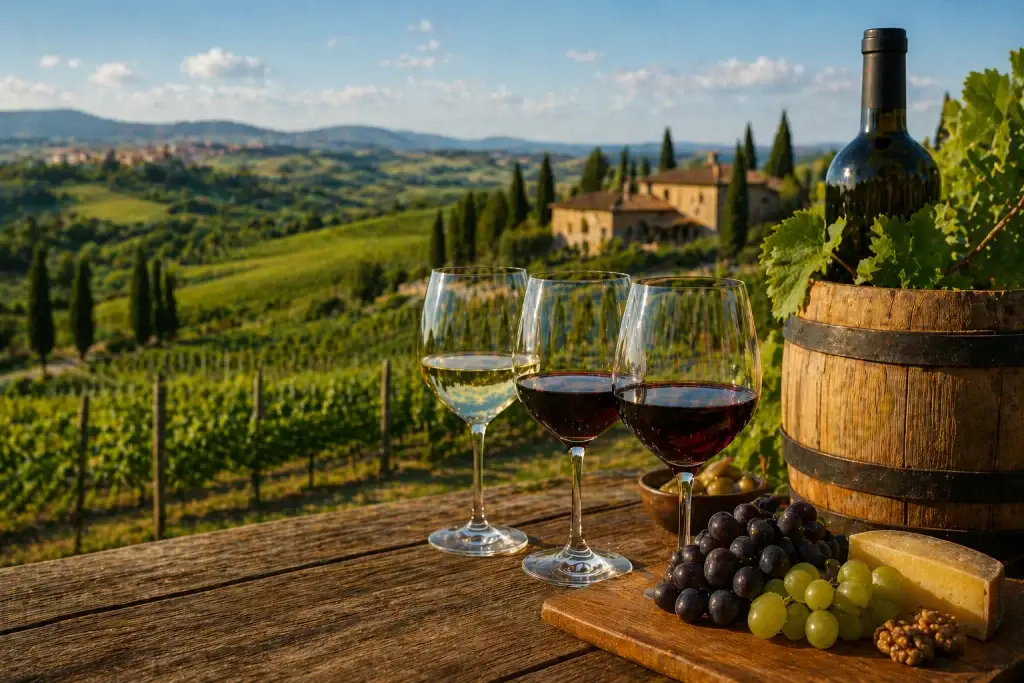
Organizing a wine tasting experience in Tuscany is one of the most popular activities for visitors to the region. However, there is a practical aspect that is often overlooked: how to reach the wineries, which are usually located in hilly and remote areas. If you are planning a wine tour in Chianti, Val d’Orcia, or San Gimignano, this guide will help you understand how to get around, what your real options are, and which solution works best to avoid stress and wasted time. Where to Go Wine Tasting in Tuscany Tuscany offers several wine regions, each with different characteristics and logistics. Chianti (from Florence) This is the most famous and easiest area to reach from Florence. Perfect for day trips and for those looking for a first wine tasting experience. Val d’Orcia (Montalcino, Montepulciano) Here you will find some of Italy’s most prestigious wines, such as Brunello. Distances are longer, and planning requires more attention. San Gimignano and Vernaccia A great option to combine wine tasting with the visit of historic hilltop towns. The Main Challenge: Reaching the Wineries Most wineries are not located near train stations or city centers. In practice: Public Transport Trains only connect major cities, while buses are limited and infrequent. Visiting multiple wineries in one day becomes very difficult. Taxi Taxis are hard to find outside cities and are not practical for multi-stop itineraries. Costs can increase quickly over longer distances. How to Visit Wineries Without a Car: Real Options Group Tours Pros: Cons: Car Rental Pros: Cons: Private Driver (NCC) Pros: Cons: Organized Tour or DIY? It depends on the type of experience you are looking for. If you want to spend less and don’t have specific expectations, a group tour can be a good option. However, if you want to visit multiple wineries, choose your stops freely, and manage your time without stress, doing everything on your own can become complicated. In these cases, many travelers prefer a middle-ground solution: a private driver, which offers flexibility without the need to drive. How Much Does Wine Tasting in Tuscany Cost? Prices vary depending on the winery and the experience offered. On average: Transportation is always an additional cost and plays a key role in planning your day. How to Plan a Wine Tasting Day A well-structured itinerary usually includes: The difference between a relaxing and a stressful day depends mainly on how transportation is managed. Why More Travelers Choose a Private Driver Many visitors prefer to avoid: A private driver allows you to: Conclusion Wine tasting in Tuscany is an unforgettable experience, but it requires good planning, especially when it comes to transportation. Choosing the right way to move between wineries allows you to avoid unexpected issues and enjoy your day in a more relaxed and efficient way. Plan Your Private Tuscany Tour Are you planning a trip to Tuscany and want to enjoy it without stress, with comfort and a customized itinerary? Request a private driver service here: https://tuscanyprivatetours.net/it/autista-privato-a-firenze-per-tour-guidati-in-toscana/#contact and create your personalized tour between Florence, Chianti, Val d’Orcia, and the most authentic destinations in the region.
The Best Private Tours in Tuscany: Comfort, Privacy, and Authenticity
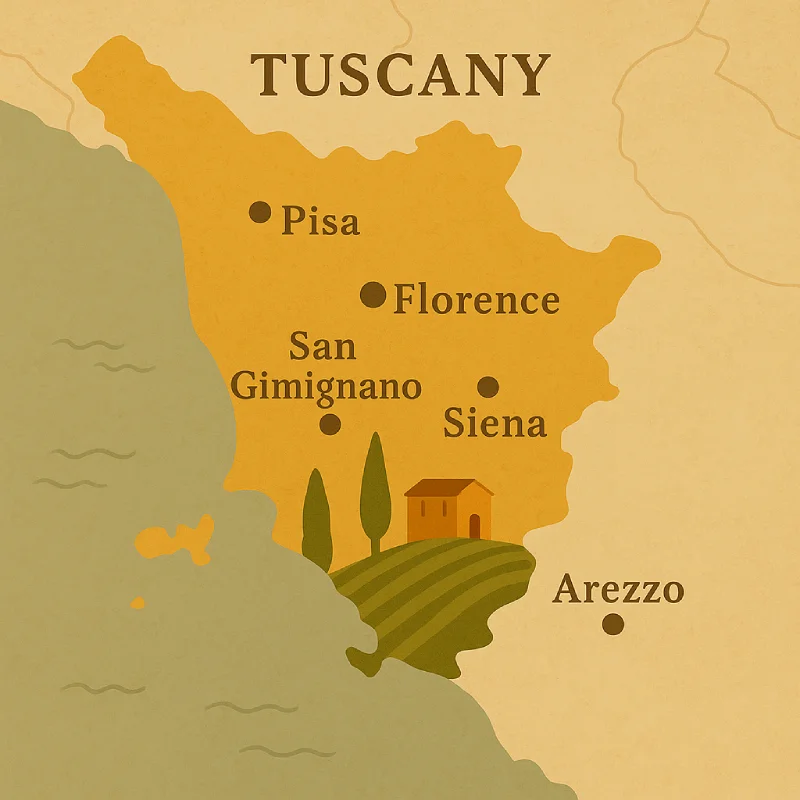
Tuscany is more than just a region—it’s a sensory experience made of breathtaking landscapes, rich flavors, centuries of art, and villages frozen in time. To truly experience its magic, without rush and with maximum freedom, there’s nothing better than a private tour. In this article, you’ll discover the best tailor-made itineraries to enjoy with a local driver and guide, combining comfort, privacy, and authenticity. Why Choose a Private Tour in Tuscany? 1. Complete Freedom of Movement Forget about strict schedules and crowded buses. With a private tour, you’ll travel in a comfortable, air-conditioned vehicle driven by a professional who knows the region inside out. Stop whenever you like, take detours, choose what to visit, and decide how long to spend at each stop. 2. Personalized Experience Each tour is customized to your interests. Whether you love wine, art, food, or hidden gems, the itinerary is tailored to you. And with an expert guide by your side, every stop is enriched with stories, historical facts, and local insights. 3. Comfort and Privacy Private tours offer high-end vehicles perfect for couples, families, or small groups. No waiting, no crowds—just you and the Tuscan landscape in a relaxed, authentic atmosphere. The Best Private Tours to Take in Tuscany 1. Chianti Classico Private Tour Duration: 1 dayDeparture: Florence Itinerary: Experience: Perfect for those wanting to discover the true essence of Tuscan wine amidst iconic landscapes. 2. Siena and Val d’Orcia: Timeless Elegance Duration: 1 or 2 daysDeparture: Florence or Siena Itinerary: Experience: Postcard-worthy views, DOP cheeses, and harmony in one of Italy’s most beautiful valleys. 3. Florence and Its Hidden Surroundings Duration: 1 day Itinerary: Experience: Discover a more intimate, off-the-beaten-path Florence beyond the crowds. 4. Renaissance Tuscany: Art, Villas, and Gardens Duration: 1 day Itinerary: Experience: Ideal for lovers of art, history, and refined architecture. 5. Coastal Tour: Sea, Villages, and Relaxation Duration: 1 dayBest Season: Spring and Summer Itinerary: Experience: A perfect blend of nature, culture, and gourmet in one day. 6. Truffle and Tuscan Flavors Tour Duration: Half or full day Itinerary: Experience: Designed for food lovers and those seeking authentic, nature-based experiences. Extras: Customized Tours with a Local Guide With Tuscany Private Tours, you can enhance your trip with tailored experiences: Each itinerary is crafted in detail with the help of Maurizio Bellini, an expert guide and private driver who knows every secret of the region. What Makes a Private Tour in Tuscany Truly Special How to Book Your Tour with Tuscany Private Tours Conclusion: Tuscany, Elevated Visiting Tuscany is a dream—but doing it with a dedicated local guide, on your own schedule, and with carefully curated experiences, turns it into a memory of a lifetime. From medieval villages to dreamy landscapes, from genuine flavors to millennia-old stories, everything becomes deeper, richer—and truly yours. With Tuscany Private Tours by Maurizio Bellini, every journey is one of a kind. Book your private tour in Tuscany today and prepare to see beauty through new eyes.
One Day in Florence: A Complete Walking Itinerary
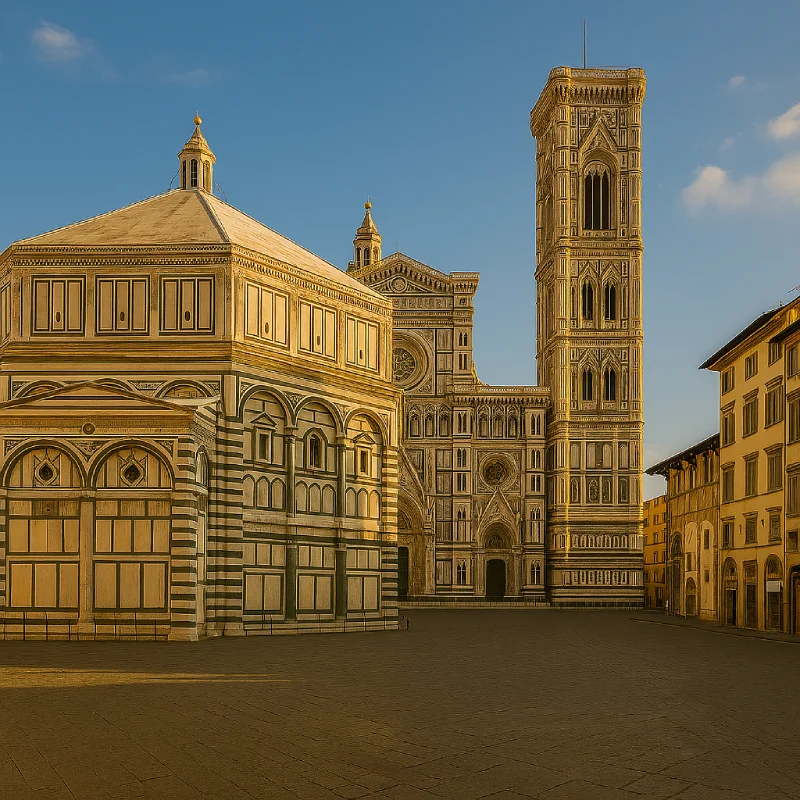
Florence, the cradle of the Renaissance, is a city of extraordinary beauty, history, and art. If you only have one day to explore this Tuscan gem, don’t worry—you can still experience its essence with a well-planned walking itinerary. This guide takes you step-by-step through a perfect day in Florence, starting from early morning to a magical evening, showcasing world-renowned landmarks, hidden corners, and authentic Tuscan cuisine. Morning: Florence’s Historical Center and Cathedral Complex 8:30 AM – A Historic Breakfast in Piazza della Repubblica Start your day with an Italian-style breakfast at Caffè Gilli or Caffè Paszkowski, two of the oldest cafés in Florence. Enjoy a cappuccino and a buttery croissant while watching the city wake up in the elegant Piazza della Repubblica. 9:00 AM – Discovering the Duomo and its Marvels Make your way to Piazza del Duomo, home to some of Florence’s most iconic architectural wonders: 11:00 AM – Opera del Duomo Museum Behind the cathedral, the Museo dell’Opera del Duomo houses many original masterpieces from the Duomo complex, including works by Donatello and Michelangelo. It’s a must for understanding the artistry and devotion behind Florence’s religious heart. Midday: Squares, Palaces and Art 12:00 PM – Piazza della Signoria and Palazzo Vecchio Walk down Via dei Calzaiuoli to reach Piazza della Signoria, Florence’s political heart: 12:45 PM – A Glimpse of the Uffizi (Optional) If you’re an art lover and have pre-booked your tickets, you can dedicate an hour to the Uffizi Gallery, home to masterpieces by Botticelli, Michelangelo, Leonardo da Vinci and Raphael. Afternoon: Crossing the Arno and the Artisan Spirit 2:00 PM – Lunch in the Oltrarno District Cross the Ponte Vecchio, the oldest bridge in Florence lined with artisan goldsmith shops, and reach Oltrarno. 3:00 PM – Discover Palazzo Pitti and Boboli Gardens After lunch, visit Palazzo Pitti, the former residence of the Medici family. Then, stroll through the Boboli Gardens, filled with fountains, grottos and manicured greenery. It’s the perfect spot to slow down and absorb Florence’s grandeur. 4:30 PM – Artisans of Santo Spirito The Santo Spirito neighborhood is a treasure trove of artisan workshops. Visit: Evening: Views, Aperitivo and Tuscan Dinner 6:00 PM – Sunset at Piazzale Michelangelo Walk or take a taxi up to Piazzale Michelangelo for a picture-perfect sunset. The panoramic view of Florence with the Arno, Duomo, and Palazzo Vecchio is unforgettable. If you have time, visit the nearby San Miniato al Monte, a beautiful Romanesque church. 8:00 PM – Dinner with a View Cap off your day with a delicious Tuscan dinner: Enjoy local dishes like: Bonus Tips for a Perfect Day in Florence Make Your One-Day in Florence Special If you want to experience Florence with no stress and deeper insight, consider booking a private tour. With Tuscany Private Tours, led by Maurizio Bellini, you can: Visit tuscanyprivatetours.net and plan your one-day experience in Florence with the help of a passionate guide who knows the city like the back of his hand.
5 Authentic Experiences to Live in Tuscany with a Local Guide
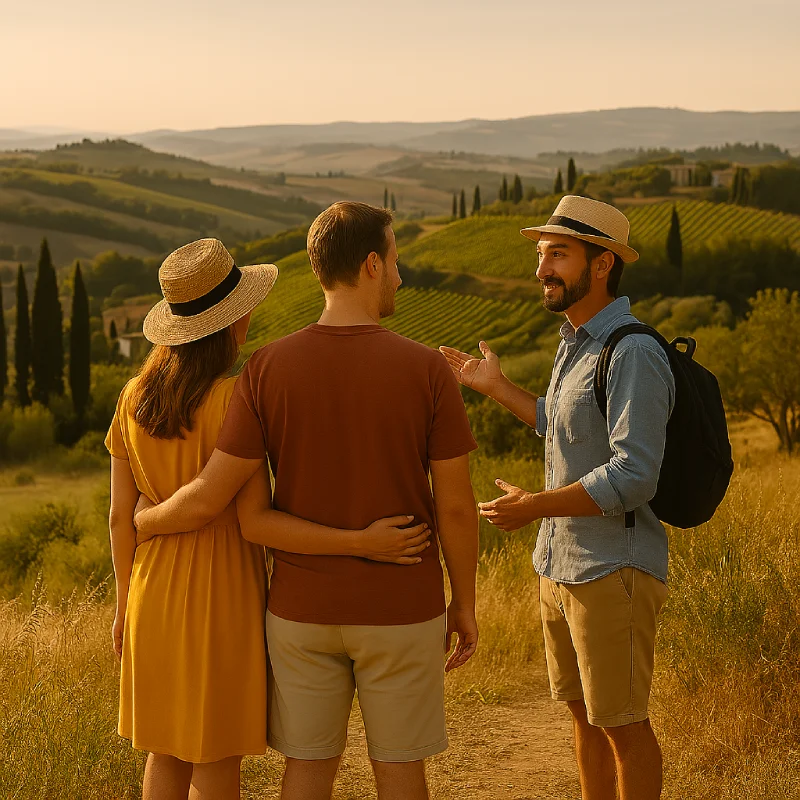
Tuscany isn’t just a postcard—it’s a region to be lived deeply, step by step, through its landscapes, flavors, stories, and people. And to truly experience this land, a local guide makes all the difference. A guide knows the hidden places, the untold stories, the authentic traditions, and the secrets that no book will tell you. In this in-depth article, we’ll take you on a journey of 5 authentic experiences to live in Tuscany, each enhanced by the insight and warmth of a local expert. 1. Walk Through the Vineyards and Taste Wine with a Local Sommelier Where: Chianti Classico, Val d’Orcia, Montalcino You can’t say Tuscany without mentioning wine. But a truly authentic wine experience isn’t just a quick stop at a tourist winery. With a local sommelier or winemaker, you’ll go on a sensory journey among the vines. What the experience includes: Why it’s special: 2. Private Sunset Tour of Florence: Stories, Secrets, and Local Gems Where: Florence, historic center and Oltrarno district Florence is the heart of the Renaissance, but behind every church and palace are tales of rivalry, eccentric characters, and living traditions. A local guide helps you avoid crowds and dive deep into the city’s hidden soul. What’s included: Why it’s unique: 3. Cook with a Tuscan Grandma in the Countryside Where: Chianti area, Casentino, Maremma, or Garfagnana One of the most intimate and memorable experiences in Tuscany is through its traditional cuisine. And who better to teach you than a Tuscan grandmother? What you’ll experience: Why it’s unforgettable: 4. Explore Abandoned Villages and Medieval Legends Where: Volterra, Lunigiana, Monte Amiata, Crete Senesi Tuscany isn’t just about villas and museums: there are ghost towns, ruins, and whispered legends that only locals know. With a passionate guide, you’ll discover places where history meets myth. What you can explore: Why this experience is deep: 5. A Day with a Shepherd: Sheep, Cheese, and Rolling Hills Where: Val d’Orcia, Casentino, inland Maremma In Tuscany, there are still shepherds who live by ancient rhythms, following the seasons and crafting artisanal cheese. With a local guide, you can organize a full day in the fields. How it works: Why it’s unique: Live the Real Tuscany with Tuscany Private Tours With Tuscany Private Tours, the private driving and custom tour service by Maurizio Bellini, you can live all these experiences tailored just for you, supported by those who truly know Tuscany. With us, you can: Book now at tuscanyprivatetours.net and discover the real Tuscany—off the beaten path, authentic, and unforgettable.
Art and Craftsmanship in Tuscany: A Journey Through Artisan Workshops and Studios
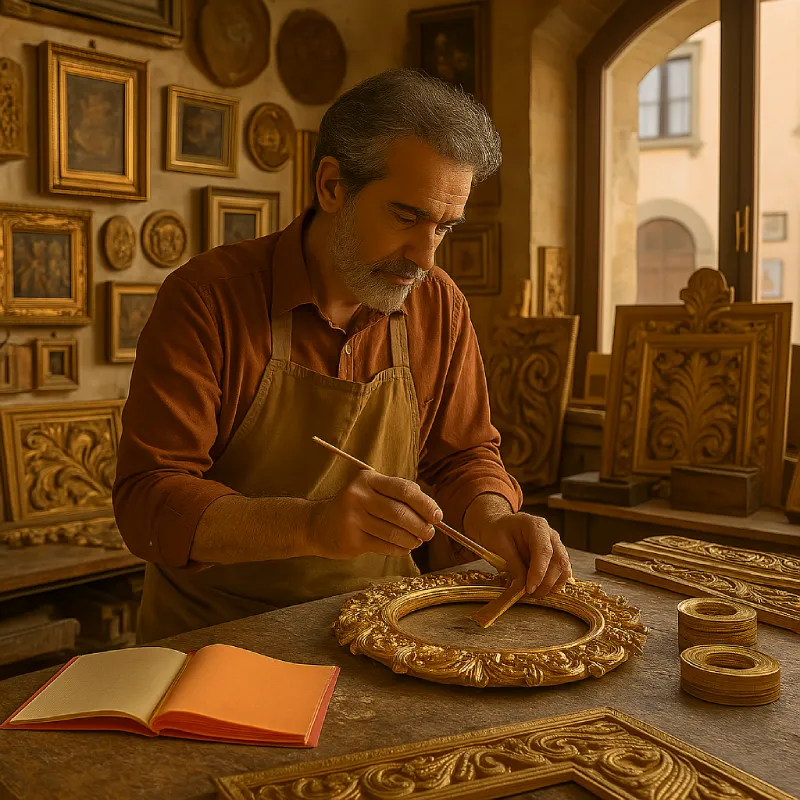
Tuscany is one of Italy’s richest regions in history, culture, and artisanal mastery. For centuries, its cities and villages have preserved a tradition where craftsmanship intertwines with fine art, turning everyday objects into expressions of beauty and skill. In this 2,500+ word article, we’ll take you on a fascinating journey through historic workshops, contemporary studios, local artists, and experiential itineraries across the region. This is the perfect guide for discovering Tuscany’s most authentic and creative soul. Florence: The Heart of Renaissance Craftsmanship Florence is the ideal starting point for any journey into Tuscan craftsmanship. As the cradle of the Renaissance, the city nurtured generations of artisans who worked side by side with legends such as Donatello, Michelangelo, and Brunelleschi. Oltrarno: Art and Authenticity The Oltrarno district, just across the Arno River, remains Florence’s beating heart of craftsmanship. Don’t miss: Historic Workshops: Experiences: Arezzo: Goldsmithing and Tradition Arezzo is renowned throughout Europe for its goldsmithing tradition, which dates back to the Etruscans and evolved over centuries into refined craftsmanship and innovative design. Where to Go: Events: Prato: The Textile Capital Prato is synonymous with textiles. The city is one of Europe’s leading textile districts, with a rich history in wool, silk, and regenerated fabrics. What to See: Experiences: Pisa and the Ceramics of Montelupo While Pisa is known for its Leaning Tower, nearby Montelupo Fiorentino holds a treasure of ceramic traditions. What to Visit: Experiences: Siena: The Art of Wood Carving In the medieval heart of Siena, the art of wood carving flourishes as one of Tuscany’s most refined crafts. Where to Go: Experiences: Pienza and San Quirico d’Orcia: Craft in the Hills In the postcard-perfect Val d’Orcia, you’ll find small villages where crafts and landscape blend into poetry. In Pienza: In San Quirico: Lucca: Paper and Decorative Arts Lucca is known for its elegance and historic walls, but also for handcrafted paper and refined artistic design. Highlights: Contemporary Craft: Between Design and Sustainability Tuscany isn’t just tradition. Today it’s a hub for modern artisans who reinvent ancient techniques with a contemporary twist. Where to Find It: Who’s Leading: How to Live a Craft and Art Tour in Tuscany Practical Tips: Best Times to Go: Getting Around: Discover Tuscan Craftsmanship with Tuscany Private Tours If you want to discover the true heart of creative Tuscany, Tuscany Private Tours is the ideal companion. With the private driver and customized tour service by Maurizio Bellini, you can: Book now at tuscanyprivatetours.net and explore a Tuscany made by hand, rich in tradition, creativity, and inspiration.